Entdecken Sie hochwertige Kleidung für jedes Wetter
16.01.2026
1
Spring hiking: When you breathe deeply, your clothes should, too
Dressing for hiking is about finding a compromise between your body and the weather. You should pay attention to your clothes' breathability and ventilation options before taking out your wallet.
Breathability is often associated with hiking and sportswear, and there is a good reason for it. Airtight clothing can make even an easy hike in nice weather a rather unpleasant experience. It does not allow the body to cool down effectively by evaporating sweat; moreover, the soaked clothes cool down too much.
Thus, you can bring on an unnecessary cold and irritated skin, and you won't even smell very pleasant.Nortfhinder offers some tips on putting together a comfortable hiking outfitthat won't make you feel like you're in a personal sauna during the spring and summer, even during a more demanding ascent.
The bottom layer is the key
Even if you invest in the best, most breathable jacket, it will only work well if you wear suitable materials underneath. To enjoy the benefits of quality hiking clothing, you must start with the bottom layer. Synthetic materials are popular with manufacturers and customers because they offer an excellent price-performance ratio. They quickly wick away excess moisture and are comfortable and long-lasting. The breathability of these materials depends mainly on the material's thickness and the knit's tightness.
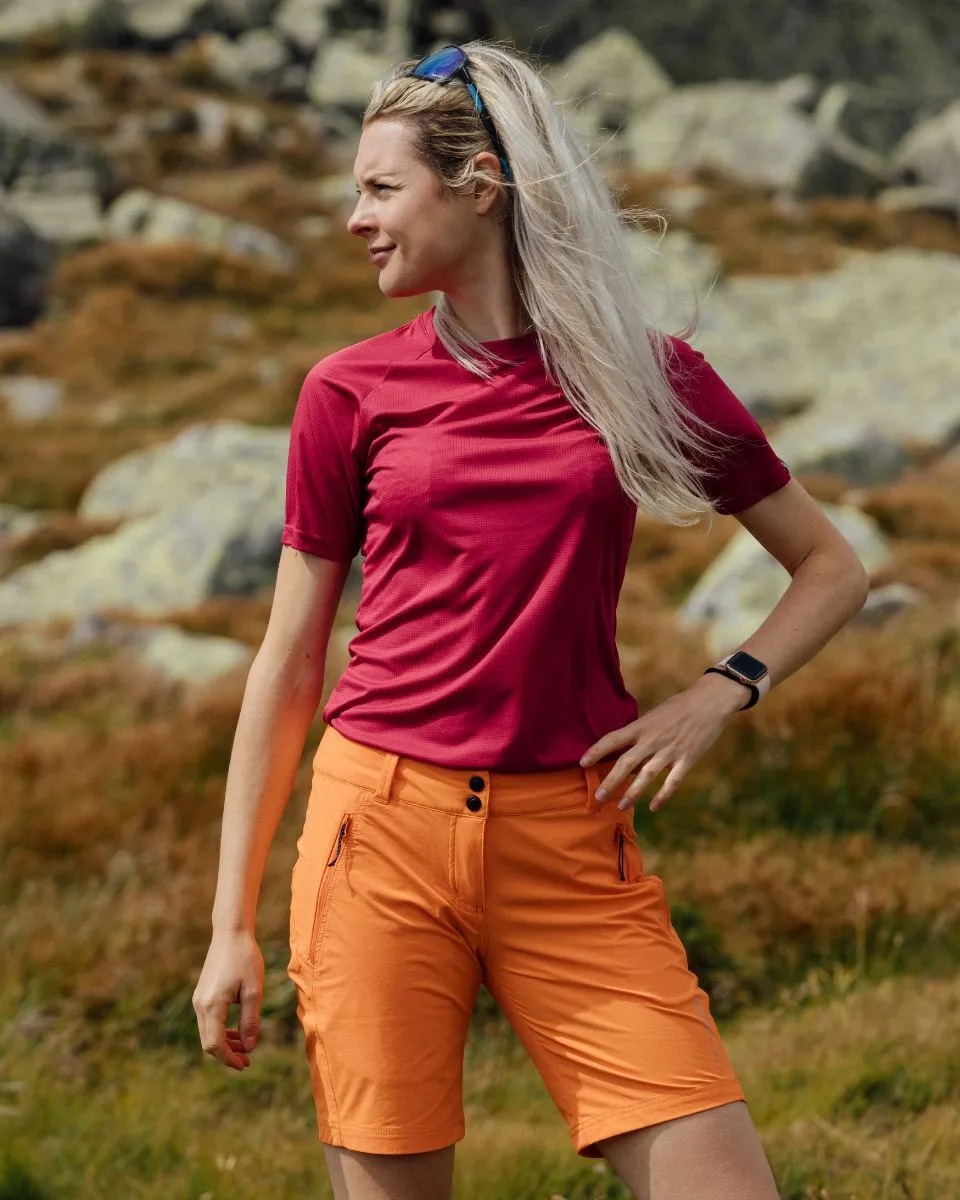
For the t-shirt to breathe well, even during a demanding hike, choose a snug-fitting cut, but not too tight. A loose t-shirt won't be able to absorb as much moisture, while a tight shirt will restrict movement. For more demanding hikes, you can choose a thinner material, even with short sleeves, and throw on another layer in colder spring weather.
Dilema: Fleece nebo softshell?
Once you have a suitable T-shirt, choose a middle layer to complement it. Fleece mainly insulates and breathes well, while softshell aims for protection against wind and rain. For a windy ridge, fleece should always be combined with a waterproof and windproof layer, such as the Northfinder Dracia jacket.
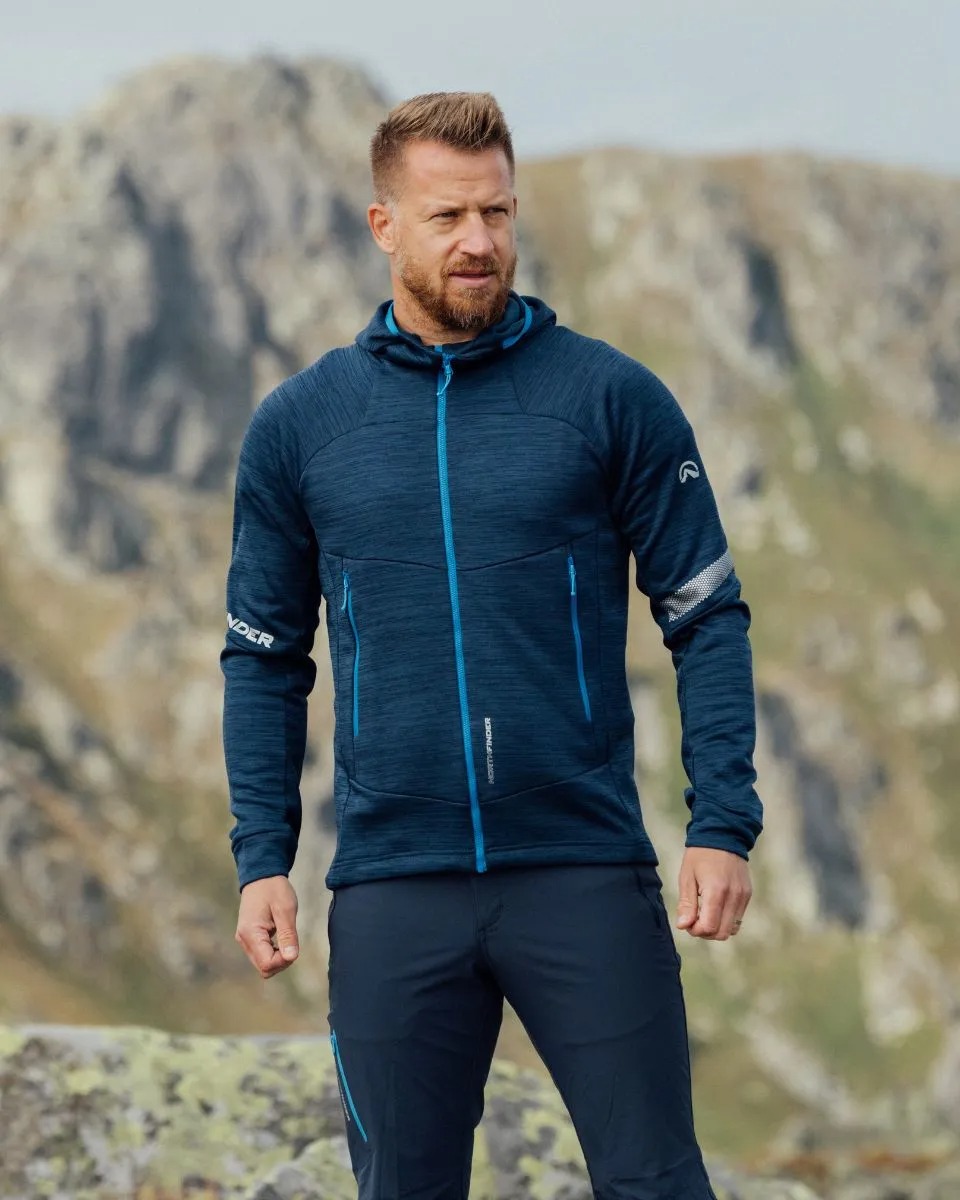
A thin fleece sweatshirt is sufficient for hiking in spring and summer. If you need something more versatile to wear from spring to fall or are more sensitive to the cold, look for a medium-thick material.
However, thicker fabrics may not be suitable for more dynamic hikers as the body warms up quickly. Fleece doesn't require ventilation holes or zippers as it handles moisture well.
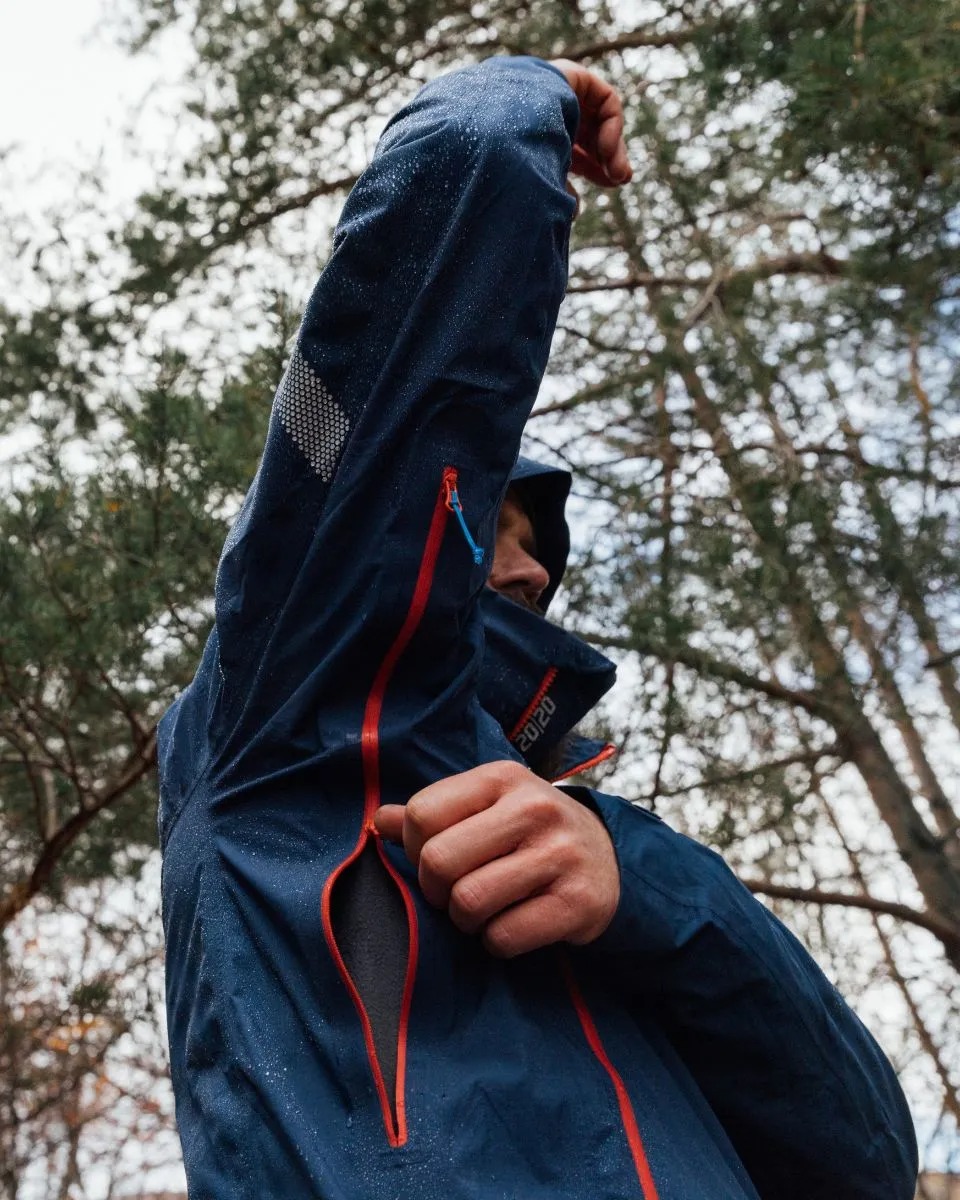
Softshells are more waterproof and windproof than fleece but less breathable. For dynamic hikers, ventilation options are essential. Large openings in the armpit area are sufficient for most situations, allowing excess moisture to escape.
Even in the rain, you can ventilate and not get wet
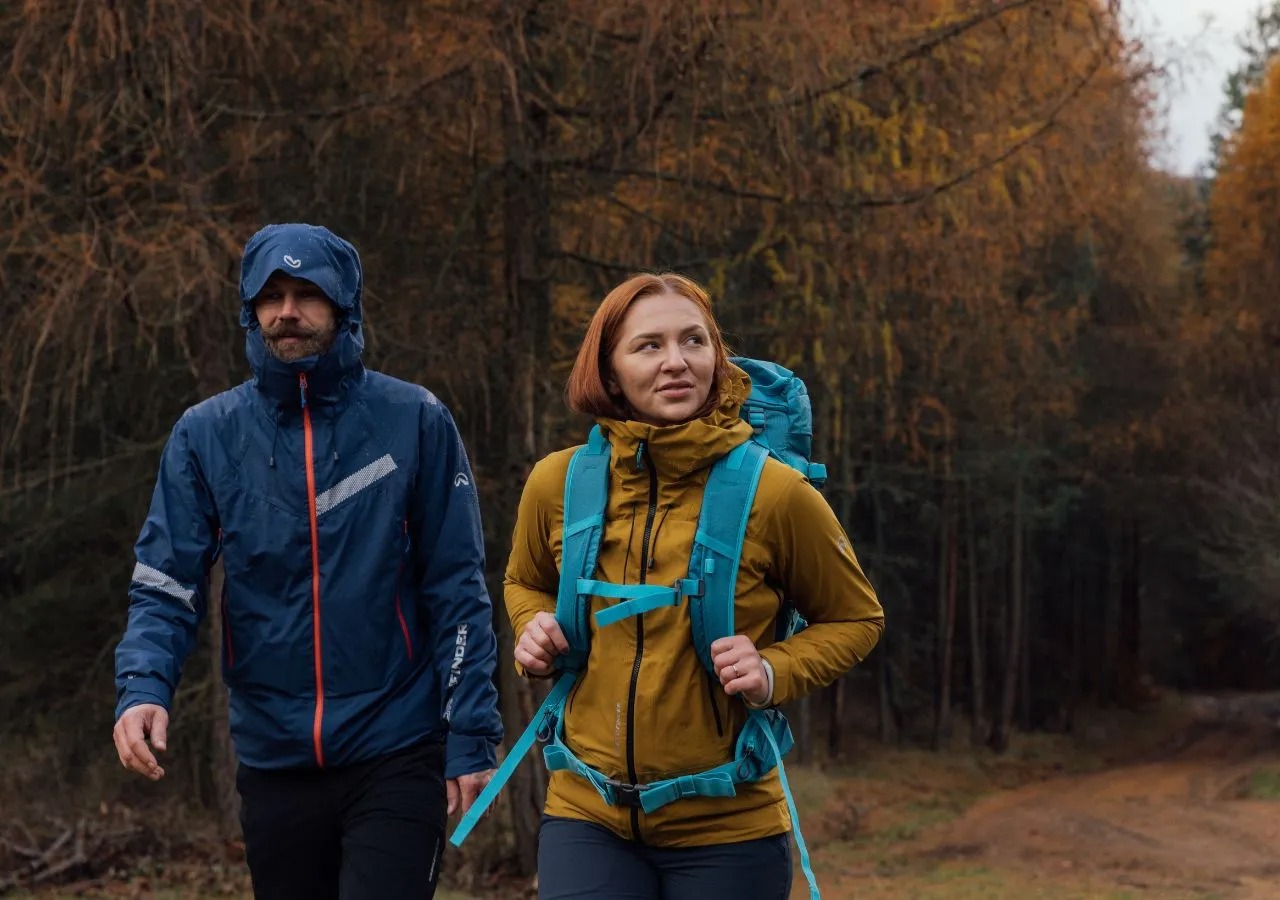
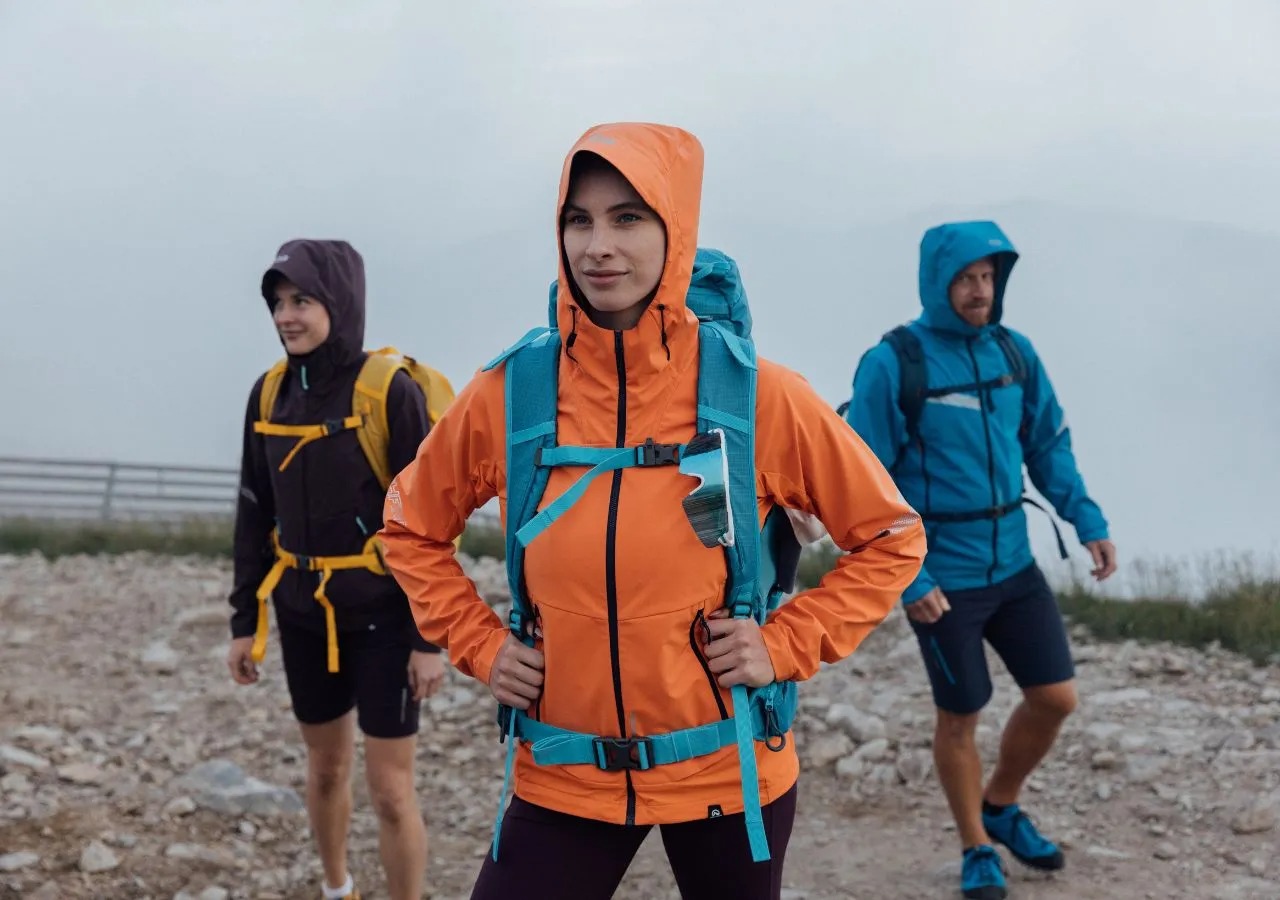
Hardshell materials are an excellent companion in lousy weather. They protect well from rain and gradually release moisture to the outside. In high humidity and brisk weather, the material itself will not be able to let everything through, so large ventilation holes will be crucial for your comfort. On a hot day, you like to unbutton whatever you can. Although you will probably still sweat a lot, a gadget that you will appreciate, especially during more intense ascents in bad weather, is the possibility to fasten the unzipped jacket with a stud under the neck or the armpits. You should have theNorthfinder Draci jacket or the women's version of Dracia for such situations.
Against the elements, not against physics
Outdoor clothing is designed to help us face the snares of nature as best as possible. However, even the most expensive and top-of-the-line models cannot deny the laws of physics. For the breathable material to "breathe," the humidity under the clothing must be higher than the humidity outside. Air saturated with moisture can not absorb more of it.
To maintain breathability, softshell (and hardshell) materials must be well cared for to keep their water resistance. If particles of water from outside soak into the material, body moisture will not escape.
Impregnácia rozhodne, ako budú vaše topánky vyzerať
Prvé, čo potrebujete urobiť po kúpe topánok zo semišovej kože, je naimpregnovať ich. A to šte pred prvým použitím. Impregnácia totiž chráni pred vsiaknutím tekutých nečistôt, ale aj zažraniu prašnej špiny do topánok, ktorá by sa z nich následne len veľmi zle čistila. Impregnáciou tak nielenže dlhšie udržíte pekný nový vzhľad semišovej obuvi, ale aj predĺžite jej životnosť. Dôležité je, aby ste impregnovali čistú alebo vyčistenú obuv.
V obchode s obuvou si pýtajte impregnačný prostriedok určený priamo na semišovú kožu, najčastejšie pôjde o formu spreja. Naopak vosky a leštiace prostriedky na tento typ obuvi nepoužívajte, topánky by stratili pekný brúsený vzhľad. Pre samotný nástrek impregnácie si vyberte dobre vetrané miesto, najlepšie priamo vonku alebo na balkóne a impregnujte zo vzdialenosti cca 20 - 30 cm od striekaného povrchu. Impregnácia sa tak rovnomernejšie rozprestrie na plochu. Impregnované topánky nechajte na vetranom mieste zaschnúť a proces môžete ešte jeden až dvakrát zopakovať.
Odporúčame topánky pred impregnáciou vypchať papierom alebo napínakmi, udržia si tak pekný tvar.
Čistenie a starostlivosť
Pokiaľ sú znečistené topánky suché, môžete ich vyčistiť kefovaním. Typicky pôjde o prach či zaschnuté blato. Je však dôležité, aby tieto nečistoty aj topánky boli naozaj suché, inak špinu len rozmažete po povrchu topánky a urobíte si s čistením viac starostí ako úžitku. Ak sú znečistené topánky mokré či vlhké, zbavte sa hrubej špiny navlhčenou handričkou, najmä po gumovom obvode podrážky.
Následne nechajte topánky vyschnúť a dočistite ich kefou. Kefa na semišovú kožu je dvojakého druhu, buď štetinková, alebo gumová, a neraz je kombinovaná v jednom nástroji. Začnite štetinkovou časťou a dokončite gumovou pre pekný vzhľad. Okrem impregnačných sprejov existujú aj špeciálne čistiace prostriedky na semišovú kožu, vďaka ktorým sa vám budú lepšie čistiť hlbšie nečistoty. Po dočistení a vysušení obuvi odporúčame topánky opäť naimpregnovať.
Vložky do topánok OrthoLite® vyperiete aj v práčke
Kožené topánky sa v práčke určite prať nemôžu, zničili by sa. To však neplatí pre vnútornú vložku. V prípade veľkého znečistenia môžete pokojne vložky značky OrthoLite®, ktoré používame v našej obuvi, vyprať v práčke. Odporúčame čo najjemnejší program, nízku teplotu a tiež nízke otáčky pri žmýkaní. Vložky následne vysušte rozprestreté na vzduchu a pri sušení určite nepoužívajte sušičku. Tak si zachovajú svoj vzhľad aj všetok komfort, ktorý poskytujú vašim chodidlám.